
■ 본문 말씀: 마태복음 27:45~50 (4월 3일 본문)
■ 포인트: 우리를 위한 예수님의 사랑을 기억하고 그 사랑을 닮아 갑니다.
■ Scripture: Matthew 27:45-50 (Text for April 3)
■ Point: Remember Jesus’ love for us and strive to resemble that love.
1. 찬양 (Praise)
예수 십자가의 흘린 피로써, 죄에서 자유를 얻게 함은
십자가 그 보혈 (어린이)
2. 기도 (Prayer)
하나님! 고난 주간에 저희가 하나님 앞에 모였습니다. 저희를 위해 아들을 십자가에 내주신 하나님과, 고난당하신 예수님을 기억하며 예배하게 해 주세요.
God! We have gathered before You during Passion Week. Please help us worship as we remember You, who gave up Your Son on the cross for us, and Jesus, who suffered.
3. 말씀 (Word)
마태복음 27:45~50을 함께 읽습니다(말씀을 세 번 읽으세요).
* 말씀을 다른 번역으로 반복해서 읽으면 내용을 깊이 이해하는 데 도움이 됩니다.
Read Matthew 27:45-50 together (Read the scripture three times).
Reading the scripture repeatedly in different translations helps you understand the content deeply.
□ 개역개정판 성경
45 제육시로부터 온 땅에 어둠이 임하여 제구시까지 계속되더니 46 제구시쯤에 예수께서 크게 소리 질러 이르시되 엘리 엘리 라마 사박다니 하시니 이는 곧 나의 하나님, 나의 하나님, 어찌하여 나를 버리셨나이까 하는 뜻이라 47 거기 섰던 자 중 어떤 이들이 듣고 이르되 이 사람이 엘리야를 부른다 하고 48 그중의 한 사람이 곧 달려가서 해면을 가져다가 신 포도주에 적시어 갈대에 꿰어 마시게 하거늘 49 그 남은 사람들이 이르되 가만두라 엘리야가 와서 그를 구원하나 보자 하더라 50 예수께서 다시 크게 소리 지르시고 영혼이 떠나시니라
□ 우리말 성경
45 정오부터 오후 3시까지 온 땅이 어둠으로 뒤덮였습니다. 46 오후 3시쯤 돼 예수께서 큰 소리로 “엘리 엘리 라마 사박다니”라고 부르짖으셨습니다. 이것은 “내 하나님, 내 하나님, 어째서 나를 버리셨습니까?”라는 뜻입니다. 47 거기 서 있던 몇 사람들이 이 소리를 듣고 말했습니다. “이 사람이 엘리야를 부르나 보다.” 48 그들 가운데 한 사람이 달려가 해면을 가져다가 신 포도주를 듬뿍 적셔와서는 막대기에 매달아 예수께서 마시게 했습니다. 49 그러나 다른 사람들은 “가만두어라. 어디 엘리야가 와서 그를 구해 주나 보자”라고 말했습니다. 50 예수께서 다시 크게 외치신 후 숨을 거두셨습니다.
□ NIV
45 From noon until three in the afternoon darkness came over all the land.
46 About three in the afternoon Jesus cried out in a loud voice, “Eli, Eli, lema sabachthani?” (which means “My God, my God, why have you forsaken me?”).
47 When some of those standing there heard this, they said, “He’s calling Elijah.”
48 Immediately one of them ran and got a sponge. He filled it with wine vinegar, put it on a staff, and offered it to Jesus to drink.
49 The rest said, “Now leave him alone. Let’s see if Elijah comes to save him.”
50 And when Jesus had cried out again in a loud voice, he gave up his spirit.
□ ESV
45 Now from the sixth hour there was darkness over all the land until the ninth hour.
46 And about the ninth hour Jesus cried out with a loud voice, saying, “Eli, Eli, lema sabachthani?” that is, “My God, my God, why have you forsaken me?”
47 And some of the bystanders, hearing it, said, “This man is calling Elijah.”
48 And one of them at once ran and took a sponge, filled it with sour wine, and put it on a reed and gave it to him to drink.
49 But the others said, “Wait, let us see whether Elijah will come to save him.”
50 And Jesus cried out again with a loud voice and yielded up his spirit.
<단어 설명>
* 해면: 바다의 돌이나 해초에 붙어사는 해면동물. 물기를 잘 빨아들여 솜처럼 사용함
4. 본문 이해 (Understanding the Scripture)
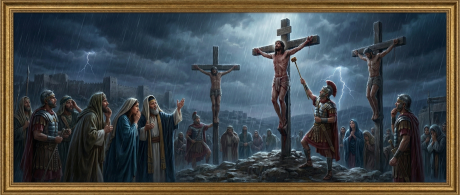
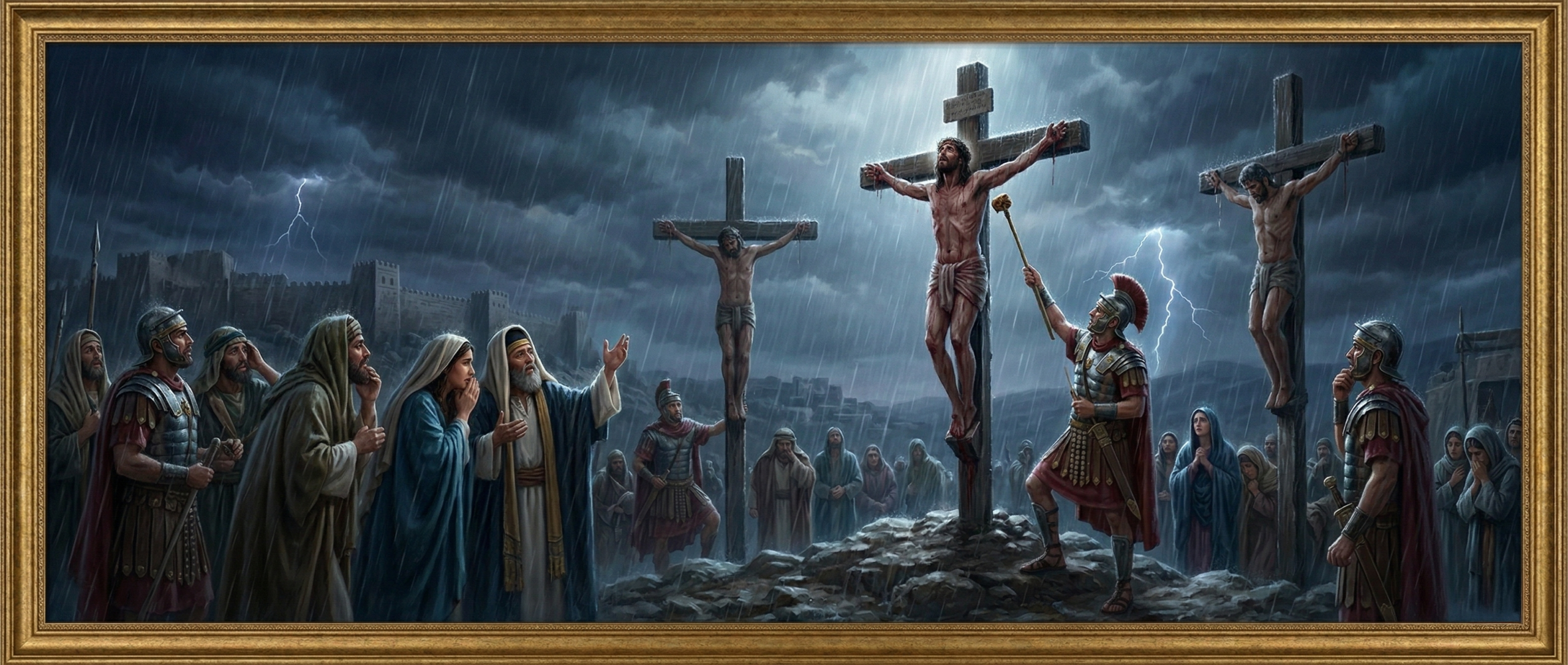
예수님이 골고다에서 십자가에 못 박히셨어요. 세 시간쯤 어둠이 임했고, 예수님은 고통 중에 소리 지르셨어요. “나의 하나님, 나의 하나님, 어찌하여 나를 버리셨습니까?” 이는 인류의 죄를 대신해 형벌받으신 예수님의 절규였어요. 예수님이 죗값을 치르셨기에 우리는 용서받고 자유를 누리게 되었어요.
Jesus was crucified at Golgotha. Darkness fell for about three hours, and Jesus cried out in agony. “My God, my God, why have you forsaken me?” This was the desperate cry of Jesus, who was being punished in place of humanity’s sins. Because Jesus paid the price for our sins, we are forgiven and can enjoy freedom.
■ 인도자를 위한 본문 이해 (Understanding Scripture for the Leader)
예수님은 오전 9시경(제삼시) 십자가에 못 박히셨습니다. 세 시간이 지난 정오(제육시)부터 오후 3시(제구시)까지 온 땅에
깊은 어둠이 임했습니다. 하나님 아들이 인류의 모든 죄를 짊어지고 심판받으시는 일은 온 창조 세계가 함께 고통스러워하며 하나님의 진노와 슬픔을 드러내는 우주적인 사건이었습니다. 예수님의 십자가 죽음은 한 개인의 죽음이 아니라 인류와 우주의 운명을 건 중대한 순간이었습니다. 오후 3시경에 예수님은 시편 22편 말씀을 인용해 “엘리 엘리 라마 사박다니”라고 외치셨습니다. 이는 “나의 하나님, 나의 하나님, 어찌하여 나를 버리셨나이까?”라는 뜻입니다. 인류 역사상 단 한
번도 성부 하나님과 분리된 적 없으셨던 성자 예수님이, 우리의 모든 죄와 저주를 대신 짊어지심으로 인해 거룩하신 하나님으로부터 완전히 ‘버림받음’을 경험하신 것입니다. 이것이 예수님이 절규하신 이유입니다. 육체의 고통을 넘어, 아들이
아버지로부터 외면당하는 가장 깊은 고통을 우리 대신 겪으신 것입니다. 그러나 십자가 아래 있는 사람들은 이 거룩한 희생의 의미를 전혀 이해하지 못했습니다. 예수님의 부르짖음을 듣고는 “이 사람이 엘리야를 부른다.”라며 조롱했습니다. 그들은 구원의 신비를 눈앞에 두고도 그것을 구경거리로 여기며 영적 무지 속에 머물렀습니다. 이 모든 인간의 오해와 조롱
속에서 예수님은 다시 한번 크게 소리 지르시고 숨을 거두셨습니다. 예수님이 인류 구원을 위한 사명을 완수하고 아버지의 뜻에 따라 생명을 내어 주심으로써 인류를 위한 구속 사역이 완성이 되었고, 인류는 새 생명을 얻게 되었습니다.
Jesus was crucified around 9 AM (the third hour). From noon (the sixth hour) until 3 PM (the ninth hour), deep darkness covered the entire land. The Son of God bearing all the sins of humanity and being judged was a cosmic event where the whole creation suffered together, revealing God’s wrath and sorrow. Jesus’ death on the cross was not the death of a single individual, but a crucial moment staking the destiny of humanity and the universe. Around 3 PM, Jesus quoted Psalm 22 and cried out, “Eli, Eli, lema sabachthani.” This means, “My God, my God, why have you forsaken me?” God the Son, who had never once been separated from God the Father in human history, experienced complete ‘forsakenness’ by the holy God as He bore all our sins and curses on our behalf. This is the reason Jesus cried out. Beyond physical pain, He suffered the deepest agony of a Son being turned away by His Father, all in our place. However, the people beneath the cross completely failed to understand the meaning of this holy sacrifice. Hearing Jesus’ cry, they mocked Him, saying, “This man is calling Elijah.” Standing before the mystery of salvation, they treated it as a mere spectacle and remained in spiritual ignorance. Amidst all this human misunderstanding and mockery, Jesus cried out loudly once more and breathed His last. As Jesus fulfilled the mission of saving humanity and gave up His life according to the Father’s will, the redemptive work for humanity was completed, and mankind was granted new life.
5. 나눔 (Sharing)
1. 예수님이 외치신 “엘리 엘리 라마 사박다니”는 무슨 뜻인가요?(46절)
What does “Eli, Eli, lema sabachthani” that Jesus cried out mean? (Verse 46)
■ 유아·유치 Kindergarten
예수님이 우리의 죄를 대신 지고 십자가에 달리셨을 때 마음이 어떠셨을까요?(46절)
How do you think Jesus felt when He hung on the cross, taking our sins upon Himself? (Verse 46)
▒ 질문 가이드 (Question Guide)
예수님은 아무 죄가 없으셨지만, 우리 죄를 대신 지고 십자가에 못 박히시는 아픔을 겪으셨습니다. “엘리 엘리 라마 사박다니”라는 말의 뜻은 무엇인지, 또 그 외침 속에 담긴 예수님 마음은 어땠을지 함께 나누어 보십시오. 그리고 예수님이
외치신 그 아픔이 바로 나를 위한 사랑이었음을 자녀들이 깨달을 수 있도록 도와주시길 바랍니다.
Jesus had no sin, but He suffered the pain of being crucified to bear our sins instead. Discuss together what “Eli, Eli, lema sabachthani” means and what Jesus’ heart must have been like in that cry. Please help your children realize that the pain Jesus cried out in was exactly His love for them.
▒ 인도자를 위한 해설 (Commentary for the Leader)
예수님이 십자가 위에서 외치신 “엘리 엘리 라마 사박다니”는 시편 22편 1절을 인용하신 것입니다. 이는 “나의 하나님 나의 하나님 어찌하여 나를 버리셨습니까?”라는 의미의 히브리어입니다. 예수님은 하나님 뜻에 온전히 순종하셨고, 우리 죄를 대신 지고 처절한 고통과 외로움을 오롯이 감당하셨습니다. 예수님의 외침은 단순한 신체적 고통을 넘어, 하나님과의
영적 단절에서 오는 깊은 고통을 표현한 것입니다. 또한 하나님을 의지하는 믿음 안에서 외친 절규입니다. 예수님의 외침은 하나님과의 단절에 대한 절규만이 아니라, 인류를 위한 사랑의 완성이요 고난 가운데서 하나님을 찾는 믿음의 본보기라고 할 수 있습니다.
Jesus’ cry on the cross, “Eli, Eli, lema sabachthani,” is a quote from Psalm 22:1. It is Hebrew meaning “My God, my God, why have you forsaken me?” Jesus perfectly obeyed God’s will and wholly endured the desperate pain and loneliness by taking our sins upon Himself. Jesus’ cry goes beyond simple physical pain; it expresses the profound agony coming from spiritual separation from God. It is also a cry shouted in faith, relying on God. Jesus’ cry is not only a cry of distress over His separation from God, but the completion of His love for humanity and an example of faith seeking God in the midst of suffering.
2. 나를 위해 십자가 고난을 당하신 예수님을 기억할 때, 내가 다른 사람을 위해 기꺼이 할 수 있는 일은 무엇인가요?
When remembering Jesus who suffered on the cross for me, what is something I am willing to do for others?
■ 유아·유치
나를 위해 십자가에 달리신 예수님을 기억할 때, 내가 다른 사람을 위해 할 수 있는 일은 무엇인가요?
When I remember Jesus who hung on the cross for me, what can I do for other people?
▒ 질문 가이드 (Question Guide)
가족 구성원 모두 예수님이 십자가를 지신 이유를 명확히 이해하도록 설명해 줍니다. 그런 후에 사랑받은 자로서 사랑을
나타내는 삶을 살아야 함을 말해 주십시오(요 15:12). 구체적인 적용을 위해 자녀들이 먼저 ‘부모, 형제, 친구’를 떠올리게
합니다. 그러면 “엄마 아빠에게(○○에게) 어떻게 하면 사랑을 보여 줄 수 있을까?”와 같이 구체적으로 답하기 쉬워집니다. 예수님이 우리를 사랑하신 것처럼, 우리가 가족과 친구를 사랑하는 것은 하나님이 기뻐하시는 일입니다. 사랑은 거창한 것이 아니라 매일의 작은 말과 행동에서도 드러납니다. 작은 행동이나 말로도 예수님의 사랑을 나타낼 수 있음을 알려
주십시오(예: 안아 주기, 도와주기, 웃어 주기, ‘고마워요’라고 말하기 등).
“내 계명은 곧 내가 너희를 사랑한 것같이 너희도 서로 사랑하라 하는 이것이니라”(요 15:12).
Explain clearly so that all family members understand why Jesus bore the cross. Afterward, please tell them that as people who have received love, we must live a life that shows love (John 15:12). For practical application, have your children first think of their ‘parents, siblings, and friends’. Then it becomes easier for them to answer concretely with questions like, “How can I show love to mom and dad (or to ○○)?” Just as Jesus loved us, our loving our family and friends is something that pleases God. Love is not something grandiose but is revealed in everyday small words and actions. Let them know that they can show Jesus’ love even through small actions or words (e.g., giving a hug, helping out, smiling at them, saying ‘thank you’, etc.).
“My command is this: Love each other as I have loved you” (John 15:12).
6. 감사하기 (Gratitude)
하나님께 감사드리고 싶은 일을 세 가지 정도 기록하게 한 후에 함께 나눕니다. 일상에서 경험한 크고 작은 감사나 예배 중에 생각난 감사를 나누어도 되고, 평범한 일상을 누리게 하시는 은혜에 대한 감사를 나누어도 됩니다. 감사를 나눔으로 하나님 은혜를 기억하고 하나님 중심의 삶을 훈련하게 됩니다.
Write down about three things you want to thank God for and share them together. You can share big and small thanks experienced in daily life, thanks that came to mind during worship, or thanks for the grace of enjoying an ordinary daily life. By sharing gratitude, we remember God’s grace and practice living a God-centered life.
7. 기도 (Prayer)
주님, 십자가의 처절한 고통을 끝까지 참으신 것이 저희를 위한 사랑임을 깨닫습니다. 주님처럼 저희도 다른 사람을 돕고 유익하게 하는 일에 쓰임받기 원합니다. 그러한 삶을 살도록 저희 마음에 긍휼과 사랑을 부어 주세요.
Lord, we realize that Your enduring the desperate pain of the cross to the very end was Your love for us. Like You, Lord, we also want to be used to help and benefit others. Please pour compassion and love into our hearts so that we may live such a life.
‘주님이 가르쳐 주신 기도’로 가정예배를 마칩니다.
End the family worship with the Lord’s Prayer.
8. 가족 미션 (Family Mission)
‘사랑의 발자국’
<사랑의 발자국 만들기>
* 준비물: 도화지, 색연필, 크레파스, 가위
1. 각자 오른쪽과 왼쪽 발 모양을 종이에 그린 후 오립니다(자기 발 모양을 따라 그려도 좋습니다).
2. 한 주간 실천하고 싶은 사랑의 행동을 발자국 모양 안에 적습니다(예: 엄마 도와 드리기, 동생에게 장난감 나눠 주기, 친구에게 먼저 웃어 주기 등).
3. 발자국 모양을 벽이나 바닥에 붙입니다.
4. 발자국 모양에 적은 사랑의 행동을 일주일 동안 실천합니다.
5. 다음 가정예배 시간에 각자 걸어 온 사랑의 길에 대해 나눈 뒤, 서로 칭찬하고 격려해 줍니다.
‘Footprints of Love’
<Making Footprints of Love>
* Materials: Drawing paper, colored pencils, crayons, scissors
1. Draw the shape of your right and left foot on the paper and cut them out (you can trace your own feet).
2. Write down loving actions you want to practice this week inside the footprint shapes (e.g., helping mom, sharing toys with a younger sibling, smiling first at a friend, etc.).
3. Attach the footprint shapes to the wall or floor.
4. Practice the loving actions written on the footprints for a week.
5. During the next family worship, share the path of love you each walked, and praise and encourage one another.
▒ 주일예배 준비하기 (Preparing Sunday Service)
가정예배를 마친 후에는 함께 주일예배를 준비합니다. After family worship, prepare for Sunday service together.