
■ 본문 말씀: 시편 103:13-18 (4월 22일 본문)
■ Scripture: Psalm 103:13-18 (Text for April 22)
■ 포인트: 하나님을 경외하는 사람은 하나님의 긍휼과 사랑으로 살아갑니다.
■ Point: A person who fears God lives by God’s compassion and love.
1. 찬양 (Praise)
하나님의 부르심
너와 나의 모습이 (어린이)
2. 기도 (Prayer)
하나님, 저희의 주인 되신 하나님께 나아와 예배하게 하시니 감사합니다. 함께 말씀을 묵상하고 나누는 가운데 저희의 믿음이 든든히 세워지게 해 주세요.
God, thank You for allowing us to come and worship You as our Lord. As we meditate on and share the Word together, please let our faith be firmly built up.
3. 말씀 (Word)
시편 103:13-18을 함께 읽습니다(말씀을 세 번 읽으세요).
* 말씀을 다른 번역으로 반복해서 읽으면 내용을 깊이 이해하는 데 도움이 됩니다.
Read Psalm 103:13-18 together (Read the scripture three times).
* Reading the scripture repeatedly in different translations helps you understand the content deeply.
□ 개역개정판 성경
13 아버지가 자식을 긍휼히 여김 같이 여호와께서는 자기를 경외하는 자를 긍휼히 여기시나니 14 이는 그가 우리의 체질을 아시며 우리가 단지 먼지뿐임을 기억하심이로다 15 인생은 그 날이 풀과 같으며 그 영화가 들의 꽃과 같도다 16 그것은 바람이 지나가면 없어지나니 그 있던 자리도 다시 알지 못하거니와 17 여호와의 인자하심은 자기를 경외하는 자에게 영원부터 영원까지 이르며 그의 의는 자손의 자손에게 이르리니 18 곧 그의 언약을 지키고 그의 법도를 기억하여 행하는 자에게로다
□ 우리말 성경
13 아버지가 자식을 불쌍히 여기듯 여호와께서도 주를 경외하는 사람들을 불쌍히 여기신다. 14 우리의 \*체질을 아시고 우리가 흙임을 기억하시기 때문이다. 15 인생으로 말하자면 우리의 나날은 풀과 같고 들꽃처럼 \*번성하지만 16 바람이 불면 어디론가 사라지고 그 자리는 언제 그랬냐는 듯 \*흔적조차 없다. 17 그러나 여호와의 사랑은 영원에서 영원까지 여호와를 경외하는 사람들 위에 있고 그 의는 자녀의 자녀들, 18 곧 그 언약을 지키고 계명을 기억하고 순종하는 사람들에게 이를 것이다.
□ NIV
13 As a father has compassion on his children, so the LORD has compassion on those who fear him;
14 for he knows how we are formed, he remembers that we are dust.
15 The life of mortals is like grass, they flourish like a flower of the field;
16 the wind blows over it and it is gone, and its place remembers it no more.
17 But from everlasting to everlasting the LORD’s love is with those who fear him, and his righteousness with their children’s children—
18 with those who keep his covenant and remember to obey his precepts.
□ ESV
13 As a father shows compassion to his children, so the LORD shows compassion to those who fear him. 14 For he knows our frame; he remembers that we are dust. 15 As for man, his days are like grass; he flourishes like a flower of the field; 16 for the wind passes over it, and it is gone, and its place knows it no more. 17 But the steadfast love of the LORD is from everlasting to everlasting on those who fear him, and his righteousness to children’s children, 18 to those who keep his covenant and remember to do his commandments.
<단어 설명>
* 체질: 타고난 몸의 성질
* 번성하다: 나무나 풀이 우거져 무성함
* 흔적: 지나간 뒤에 남은 자국이나 자취
4. 본문 이해 (Understanding the Scripture)
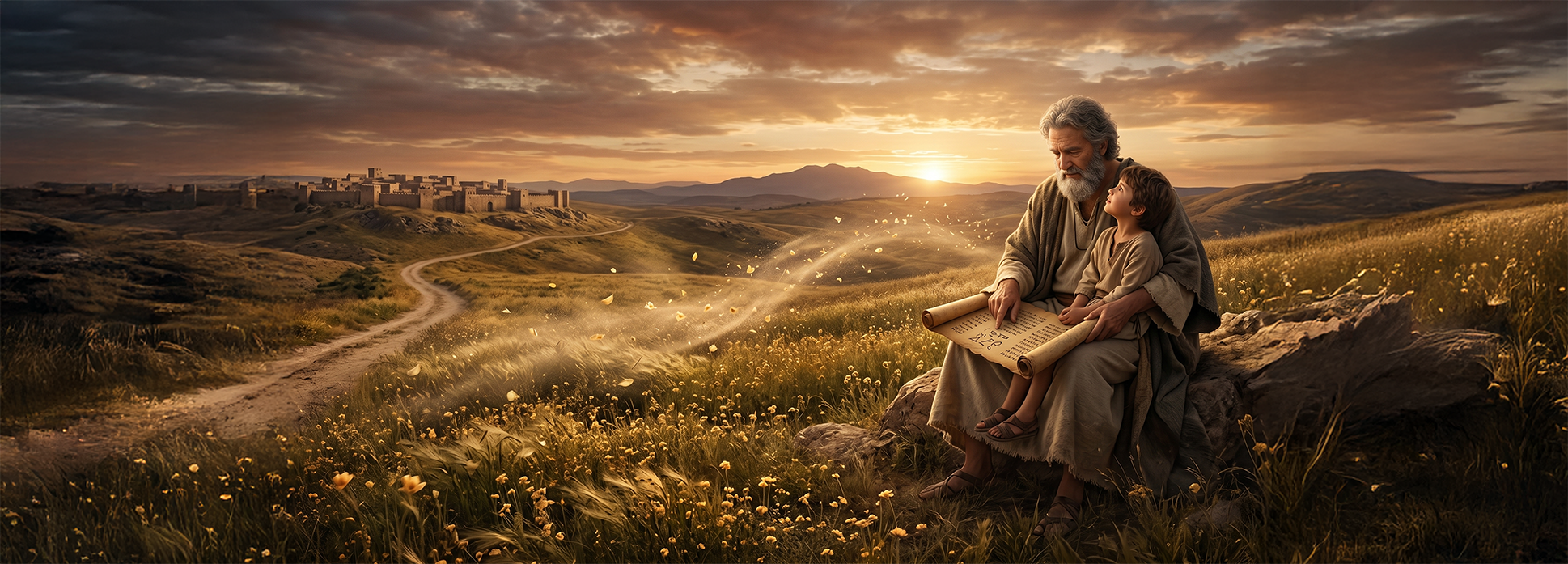
하나님은 우리가 얼마나 연약한 존재인지 잘 알고 계세요. 사람은 흙으로 지음을 받았고, 풀이나 들꽃처럼 잠시 살다가 사라지는 유한한 존재예요. 그래서 우리에게는 하나님의 도우심이 필요해요. ‘하나님을 경외하는 사람’은 자신의 연약함과 상관없이 항상 하나님의 긍휼과 사랑을 누릴 수 있어요.
God knows very well how weak we are. Humans are made of dust and are finite beings who live for a short while and disappear like grass or wildflowers. That is why we need God’s help. A “person who fears God” can always enjoy God’s compassion and love, regardless of their weaknesses.
■ 인도자를 위한 본문 이해 (Understanding Scripture for the Leader)
103편에는 ‘다윗의 시’라는 표제어가 붙어 있습니다. 시편 기자는 자신의 죄를 용서하시고, 죽음 직전까지 갔던 자신을 고치신 하나님의 은택을 찬양합니다(1\~5절). 이어서 이스라엘 역사에서 베푸신 하나님의 자비와 구원을 노래합니다(6\~9절). 본문 13\~18절에서 시편 기자는 하나님이 우리의 허물과 죄를 용서하시고 우리를 긍휼히 여기시는 이유를 말해 줍니다. 첫째, 하나님이 우리를 사랑으로 지으신 하늘 아버지시기 때문입니다. 아무리 큰 죄를 지었어도, 사람들이 손가락질해도 부모가 자식을 사랑하듯 하나님은 우리를 품어 주십니다. 둘째, 하나님은 우리의 체질을 아시며 우리가 먼지(흙)에 불과한 존재임을 기억하시기 때문입니다. 하나님은 흙으로 아담을 지으셨고, 생기를 불어 넣어 살게 하셨습니다. 사람은 모두 흙에서 와서 흙으로 돌아갑니다. 셋째, 하나님은 한 사람의 인생이 풀이나 꽃같이 잠시일 뿐이고 유한함을 잘 아시기 때문입니다. 화병에 꽂은 꽃이 아무리 아름다워도 곧 시들어 버리듯, 들의 꽃이 아무리 아름다워도 계절이 바뀌면 사라지듯 사람의 생애는 짧습니다. 그러므로 하나님은 연약한 우리를 긍휼히 여기시고, 우리 죄를 일일이 벌하지 않고 용서하시며 새로운 기회를 주십니다. 단 한 가지 하나님이 우리에게 원하시는 것은 ‘경외하는 마음’입니다. 하나님을 경외하는 사람에게 주어지는 보상은 세상이 변해도 달라지지 않습니다. 하나님을 경외하고, 그분의 은혜와 사랑을 의지하며 살아가는 성도는 하나님의 영원한 사랑과 긍휼 안에 거합니다.
Psalm 103 has the heading “Of David.” The psalmist praises God’s grace for forgiving his sins and healing him when he was near death (verses 1-5). He then sings of God’s mercy and salvation shown in Israel’s history (verses 6-9). In verses 13-18 of the text, the psalmist explains why God forgives our faults and sins and has compassion on us. First, it is because God is our Heavenly Father who created us in love. No matter how great a sin we have committed or if people point fingers at us, God embraces us just as parents love their children. Second, it is because God knows how we are formed and remembers that we are nothing but dust (soil). God created Adam from dust and breathed life into him. All humans come from dust and return to dust. Third, it is because God knows well that a person’s life is as fleeting and finite as grass or a flower. Just as a flower in a vase quickly withers no matter how beautiful it is, and just as wildflowers disappear when the seasons change, human life is short. Therefore, God has compassion on our weak selves, forgives us instead of punishing every single sin, and gives us new opportunities. The only thing God wants from us is a “fearing heart” (reverence). The reward given to those who fear God does not change even if the world changes. A believer who lives fearing God and relying on His grace and love dwells within God’s eternal love and compassion.
5. 나눔 (Sharing)
1. 시편 기자는 사람이 어떤 존재라고 말하나요?(14~16절) 하나님이 긍휼히 여기시고 사랑하시는 사람은 누구인가요?(13, 17-18절)
What kind of being does the psalmist say humans are? (Verses 14-16) Who are the people God has compassion on and loves? (Verses 13, 17-18)
■ 유아·유치 Kindergarten
하나님이 불쌍히 여기시고 사랑하시는 사람은 누구인가요?(13, 17\~18절)
Who are the people that God pities and loves? (Verses 13, 17-18)
▒ 질문 가이드 (Question Guide)
하나님이 흙(먼지)으로 지으신 사람이 어떤 존재인지 생각해 보십시오. 14\~16절을 읽으며 ‘먼지, 풀, 들의 꽃’ 등에 담긴 의미를 찾아보고, 연약한 사람이기에 하나님의 도우심이 꼭 필요함을 상기시키십시오. 하나님의 도우심을 얻기 위해서는 하나님과의 관계가 매우 중요합니다. 연약한 우리가 하나님의 긍휼을 입는 비결은 ‘하나님을 경외하는 마음’을 잃지 않는 것임을 기억하게 해 주십시오.
Think about what kind of being a human is, created by God from dust (soil). Read verses 14-16 and find the meanings behind “dust, grass, flowers of the field,” and remind them that because humans are weak, we absolutely need God’s help. To receive God’s help, our relationship with God is very important. Help them remember that the secret to us weak beings receiving God’s compassion is not losing our “heart that fears God.”
▒ 인도자를 위한 해설 (Commentary for the Leader)
사람은 흙으로 지어졌고 다시 흙으로 돌아갑니다(창 3:19). 마치 세상의 주인인 듯 살지만, 하나님이 정하신 때가 되면 흙으로 돌아가는 허무한 인생입니다. 아무리 화려하고 매력적인 삶을 살아도 바람이 불고 계절이 바뀌면 흔적 없이 사라지는 들의 꽃과 같습니다. 인생이 유한함을 아는 사람은 창조주 하나님 앞에서, 영원하신 하나님 앞에서 교만하지 않습니다. 자신의 연약함을 깨달은 사람은 영원하신 하나님을 겸손히 붙잡습니다. 하나님을 경외하며 의지합니다. 하나님은 그런 사람을 멸시하지 않으시고 불쌍히 여기시며 사랑하십니다. 하나님 아버지의 사랑과 긍휼하심을 입는 비결은 자신의 연약함을 깨닫고 영원하신 하나님을 경외하며 붙잡는 삶입니다.
Humans are made of dust and return to dust (Genesis 3:19). We live as if we are the masters of the world, but human life is vanity, returning to dust when God’s appointed time comes. No matter how glamorous and attractive a life one lives, it is like a wildflower that disappears without a trace when the wind blows and the seasons change. A person who knows life is finite is not arrogant before the Creator God, the eternal God. A person who realizes their own weakness humbly holds on to the eternal God. They fear and rely on God. God does not despise such people but pities and loves them. The secret to receiving God the Father’s love and compassion is a life that realizes one’s weakness and fears and holds on to the eternal God.
“네가 흙으로 돌아갈 때까지 얼굴에 땀을 흘려야 먹을 것을 먹으리니 네가 그것에서 취함을 입었음이라 너는 흙이니 흙으로 돌아갈 것이니라 하시니라”(창 3:19).
“By the sweat of your brow you will eat your food until you return to the ground, since from it you were taken; for dust you are and to dust you will return.” (Genesis 3:19)
2. 나는 한계가 있는 연약한 존재지만, 하나님은 그런 나를 영원히 사랑하세요. 최근에 하나님의 사랑을 깊이 느낀 일이 있다면 나누어 보세요.
I am a weak being with limits, but God loves me eternally. If you have deeply felt God’s love recently, please share it.
■ 유아·유치 Kindergarten
하나님은 나를 얼마나 사랑하실까요? 내 이름을 넣어 “하나님은 OO(을)를 사랑하세요\!”라고 말해 보세요.
How much does God love me? Put your name in and say, “God loves [Your Name]\!”
▒ 질문 가이드 (Question Guide)
우리 삶에는 늘 어려움과 위기가 찾아옵니다. 그럴수록 하나님을 신뢰하고 하나님을 의지해야 합니다. 하나님이 우리를 불쌍히 여기시고 사랑으로 돌보신다는 사실은 크나큰 위로입니다. 최근 하나님이 나를 긍휼히 여기신 일을 나누어 보십시오(예: 아픈 몸을 하나님이 치료해 주신 일, 문제를 하나님이 해결해 주신 일, 손해를 볼 뻔한 상황에서 하나님이 도와주신 일, 사고가 날 뻔한 상황에서 하나님이 지켜 주신 일 등). 하나님의 도우심 없이는 살 수 없다는 것을 기억하도록 서로의 경험을 나누며 믿음을 격려하십시오. 특히 어린 자녀들이 하나님이 그들을 정말 많이 사랑하신다는 사실을 기억하게 해 주십시오. 하나님의 사랑은 엄마 아빠의 사랑과는 비교할 수 없을 만큼 크고 놀라운 사랑이라고 말해 주십시오.
Difficulties and crises always come into our lives. The more they do, the more we must trust and rely on God. The fact that God pities us and cares for us with love is a great comfort. Share a recent time when God showed you compassion (e.g., God healing your sick body, God solving a problem for you, God helping you in a situation where you almost suffered a loss, God protecting you in a near-accident situation, etc.). Encourage each other’s faith by sharing your experiences so you remember that you cannot live without God’s help. In particular, help young children remember that God loves them very much. Tell them that God’s love is so great and amazing that it cannot be compared to the love of a mom or dad.
6. 감사하기 (Gratitude)
하나님께 감사드리고 싶은 일을 세 가지 정도 기록하게 한 후에 함께 나눕니다. 일상에서 경험한 크고 작은 감사나 예배 중에 생각난 감사를 나누어도 되고, 평범한 일상을 누리게 하시는 은혜에 대한 감사를 나누어도 됩니다. 감사를 나눔으로 하나님 은혜를 기억하고 하나님 중심의 삶을 훈련하게 됩니다.
Write down about three things you want to thank God for and share them together. You can share big and small thanks experienced in daily life, thanks that came to mind during worship, or thanks for the grace of enjoying an ordinary daily life. By sharing gratitude, we remember God’s grace and practice living a God-centered life.
7. 기도 (Prayer)
하나님, 풀과 들꽃처럼 연약한 저희를 하나님이 얼마나 사랑하시는지 알게 하시니 감사합니다. 저희가 하나님을 경외하는 마음을 잃지 않고, 하나님의 풍성하신 긍휼로 날마다 안전하게 살아가도록 이끌어 주세요.
God, thank You for letting us know how much You love us, even though we are as fragile as grass and wildflowers. Please guide us so we do not lose our reverence for You and live safely every day through Your abundant compassion.
‘주님이 가르쳐 주신 기도’로 가정예배를 마칩니다.
End the family worship with the Lord’s Prayer.
8. 가족 미션 (Family Mission)
‘식물 돌보기’
<화분 속 식물 키우기>
* 준비물: 작은 화분, 배양토, 씨앗, 분무기, 물, 라벨지, 사인펜, 엽서 크기 종이
1. 작은 화분에 배양토를 넣어 채웁니다.
2. 씨앗을 배양토 안에 심고, 분무기로 물을 뿌려 흙을 적십니다.
3. 라벨지에 사인펜으로 식물 이름을 적어 화분에 붙입니다.
4. 종이 한 면에 씨앗의 식물이 완전히 성장했을 때의 모습을 조사해 미리 그려 봅니다.
5. 종이 다른 면에는 씨앗의 변화, 돌본 과정, 느낀 점 등을 기록할 수 있는 항목을 만듭니다.
돌봄을 실천할 때마다 식물 그림에 하트 스티커를 하나씩 붙입니다. 우리도 하나님의 돌보심과 사랑이 항상 함께하기에 매일 자라고 성숙해 간다는 사실을 자녀들이 기억하도록 지도해 줍니다. 식물 대신 반려동물을 돌보는 일지를 기록하며 활동할 수도 있습니다.
‘Caring for a Plant’
<Growing a Plant in a Pot>
* Materials: A small pot, potting soil, seeds, spray bottle, water, labels, marker, postcard-sized paper.
1. Fill the small pot with potting soil.
2. Plant the seeds in the soil and spray water with the spray bottle to moisten it.
3. Write the plant’s name on a label with a marker and stick it to the pot.
4. Research what the plant will look like when fully grown and draw it in advance on one side of the paper.
5. On the other side of the paper, create sections to record the seeds’ changes, the caregiving process, and your feelings.
Every time you practice caring for the plant, put a heart sticker on the plant drawing. Guide your children to remember that we, too, grow and mature every day because God’s care and love are always with us. You can also do this activity by keeping a care journal for a pet instead of a plant.
▒ 주일예배 준비하기 (Preparing Sunday Service)
가정예배를 마친 후에는 함께 주일예배를 준비합니다. After family worship, prepare for Sunday service together.