
하나님만 의지하는 믿음
Faith That Relies Only on God
■ 본문 말씀: 시편 118:8~9 (7월 15일 본문)**
■ 포인트: 믿음의 사람은 진정한 도움이신 하나님만 의지합니다.
■ Scripture: Psalm 118:8-9 (Text for July 15)
■ Point: A person of faith relies only on God, who is true help.
1. 찬양 (Praise)
여호와를 즐거이 불러
크신 주께 영광돌리세 (어린이)
2. 기도 (Prayer)
하나님, 저희가 은혜의 자리에 함께 모였습니다. 저희 삶의 주인 되신 하나님께 집중하고, 사모하는 마음으로 하나님 말씀을 귀담아듣게 해 주세요.
God, we have gathered together in the place of grace. Please let us focus on God, who is the Lord of our lives, and listen carefully to God’s word with a longing heart.
3. 말씀 (Word)
시편 118:8~9을 함께 읽습니다(말씀을 3번 읽으세요).
* 말씀을 다른 번역으로 반복해서 읽으면 내용을 깊이 이해하는 데 도움이 됩니다.
Read Psalm 118:8-9 together (Read the scripture three times).
* Reading the scripture repeatedly in different translations helps you understand the content deeply.
□ 개역개정판 성경
8 여호와께 피하는 것이 사람을 신뢰하는 것보다 나으며
9 여호와께 피하는 것이 고관들을 신뢰하는 것보다 낫도다
□ 우리말 성경
8 여호와를 믿는 것이 사람을 의지하는 것보다 낫고
9 여호와를 믿는 것이 통치자들을 의지하는 것보다 낫습니다.
□ NIV
8 It is better to take refuge in the LORD than to trust in humans.
9 It is better to take refuge in the LORD than to trust in princes.
□ ESV
8 It is better to take refuge in the LORD than to trust in man.
9 It is better to take refuge in the LORD than to trust in princes.
<단어 설명>
* 고관: 지위가 높은 관리
* 통치자: 나라를 다스리는 사람
* Princes (High Officials): Officials of high rank or status.
* Rulers: People who govern a country.
4. 본문 이해 (Understanding the Scripture)
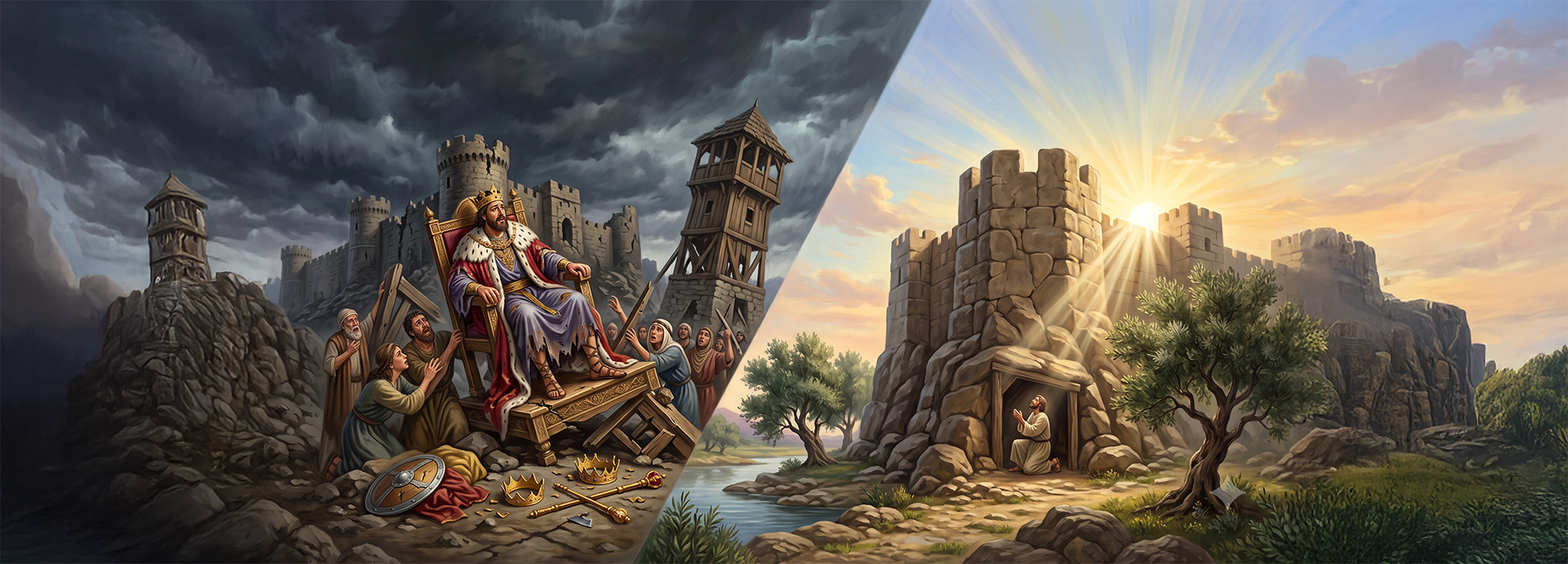
어려운 일을 당할 때 우리는 사람에게 도움을 청하려 해요. 그런데 시편 기자는 하나님께 피하는 것이 사람을 의지하는 것보다 낫다고 말해요. 지위가 높다 해도 그는 참된 도움을 줄 수 없는 연약한 사람일 뿐이에요. 모든 일을 주관하시는 하나님께 피하는 것이 문제 해결의 최선임을 기억해야 해요.
When we face difficult situations, we try to ask people for help. However, the psalmist says it is better to take refuge in God than to rely on people. Even if someone has a high status, they are just a weak human being who cannot give true help. We must remember that taking refuge in God, who governs all things, is the best way to solve problems.
■ 인도자를 위한 본문 이해 (Understanding Scripture for the Leader)
113~118편은 유월절 같은 절기나 예배 때 불리던 할렐시로 분류됩니다. 118편은 그 묶음의 마지막 시편으로, “그는 선하시며 그의 인자하심이 영원함이로다” (118:1)라는 고백을 기반으로 고난 가운데서 구원해 주신 은혜의 하나님을 찬양합니다. ‘선하시고 인자하신 하나님’은 이스라엘 공동체가 계속 기억하고 노래할 핵심 내용입니다. 그들이 고난 중에 부르짖었을 때 응답하신 분은 하나님밖에 없었습니다. 하나님은 고난 중에 있던 시편 기자를 넓은 곳, 곧 자유로운 곳(118:5)에 세워 주셨습니다. 이를 경험한 시편 기자는 하나님이 ‘내 편’ (118:6~7)이라고 고백합니다. 그리고 하나님께 피하는 것이 최선의 선택이라고 확신에 차서 말합니다. “낫다'(8~9절)라고 번역된 히브리어 ‘토브’는 ‘좋다’라는 뜻입니다. 이는 여러 선택지와 비교해서 더 낫다는 의미가 아니라 ‘최고, 가장 좋은’이라는 의미입니다. 살면서 힘이 되리라 믿고 의지했던 높은 사람이나 힘 있는 사람은 사실 도움이 되지 않았습니다. 하나님께 피하는 길은 차선책이 아닌 최선책임을 기억해야 합니다. 고난당할 때 유일한 구원자는 하나님이심을 기억하고, 그분께 달려가 피하며 그분을 힘 있게 의지하는 것이 중요합니다.
Psalms 113-118 are classified as Hallel psalms, which were sung during festivals like Passover or at worship. Psalm 118 is the last psalm of that group, praising the God of grace who saved them from hardship based on the confession, “He is good; his love endures forever” (118:1). ‘The good and merciful God’ is the core content that the Israelite community will continue to remember and sing about. When they cried out in hardship, God was the only one who answered. God set the psalmist, who was in hardship, in a broad place, a place of freedom (118:5). Having experienced this, the psalmist confesses that God is ‘with me’ (on my side) (118:6-7). And he confidently says that taking refuge in God is the best choice. The Hebrew word ‘tov’, translated as ‘better’ (verses 8-9), means ‘good’. This does not mean it is better compared to other options, but means ‘the best, the most excellent’. High-ranking or powerful people we believed would be our strength and relied on in life were actually of no help. We must remember that taking refuge in God is not the next best thing, but the absolute best choice. It is important to remember that God is the only Savior when we face hardship, to run and take refuge in Him, and to strongly rely on Him.
“여호와께 감사하라 그는 선하시며 그의 인자하심이 영원함이로다”(시 118:1).
“Give thanks to the LORD, for he is good; his love endures forever.” (Psalm 118:1)
“내가 고통 중에 여호와께 부르짖었더니 여호와께서 응답하시고 나를 넓은 곳에 세우셨도다”(시 118:5).
“When hard pressed, I cried to the LORD; he brought me into a spacious place.” (Psalm 118:5)
“여호와는 내 편이시라 내가 두려워하지 아니하리니 사람이 내게 어찌할까 여호와께서 내 편이 되사 나를 돕는 자들 중에 계시니 그러므로 나를 미워하는 자들에게 보응하시는 것을 내가 보리로다”(시 118:6~7).
“The LORD is with me; I will not be afraid. What can mere mortals do to me? The LORD is with me; he is my helper. I look in triumph on my enemies.” (Psalm 118:6-7)
5. 나눔 (Sharing)
1. 시편 기자는 하나님께 피하는 것과 사람(높은 사람)을 의지하는 것 중에 어느 편이 낫다고 했나요?(8~9절) 그 이유는 무엇인가요?
Which did the psalmist say is better: taking refuge in God or trusting in humans (princes)? (Verses 8-9) What is the reason for this?
■ 유아·유치 Kindergarten
사람을 의지하는 것보다 누구를 믿는 것이 더 나은가요?(8절)
Who is it better to believe in than relying on people? (Verse 8)
▒ 질문 가이드 (Question Guide)
시편 기자가 의지하려고 했던 대상은 누구인지 본문에서 찾아봅니다. 그들보다 하나님께 피하는 것이 왜 낫다고 했을까요? 사람의 능력과 하나님의 능력, 사람의 지혜와 하나님의 지혜 사이에 얼마만큼의 차이가 있는지 생각해 보고 함께 나누어 봅니다.
Find out in the text who the psalmist tried to rely on. Why did he say it is better to take refuge in God than in them? Think about and share how much difference there is between human ability and God’s ability, and human wisdom and God’s wisdom.
▒ 인도자를 위한 해설 (Commentary for the Leader)
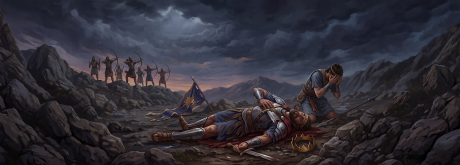
시편 기자는 고난 중에 부르짖었을 때 구원해 주시는 하나님을 경험했습니다. 그는 사람을 의지하지 않았습니다. 아무리 뛰어난 사람 혹은 큰 권력을 소유한 사람이라도 그의 본질은 흙에 불과하기 때문입니다. 이 땅의 모든 사람은 자신의 머리카락 하나도 희거나 검게 할 수 없는 연약한 존재입니다. 지위가 높고 권력이 있는 사람도 모두 전능하신 하나님의 주권 아래에 있습니다. 그래서 146편에서는 “귀인들을 의지하지 말며 도울 힘이 없는 인생도 의지하지 말지니 그의 호흡이 끊어지면 흙으로 돌아가서 그날에 그의 생각이 소멸하리로다” (146:3~4)라고 말합니다. 반면에 하나님은 하늘과 땅과 바다와 그 안의 만물을 지으신 창조주입니다. 하나님은 공의로 이 땅을 다스리십니다. 그러므로 어렵고 힘든 일, 불공평한 일을 당할 때 사람에게 찾아가는 것이 아니라, 하나님께 무릎 꿇어야 합니다. 모든 것을 보고 아시는 하나님이 우리를 위해 일하시기 때문입니다. 하나님은 흙에 불과한 사람보다 약간 나은 분이 아닙니다. 하나님께 피하는 것이 최고의 선택임을 기억하길 바랍니다.
The psalmist experienced God, who saves when we cry out in hardship. He did not rely on people. Because no matter how outstanding a person is or how much power they possess, their essence is nothing but dust. Every person on this earth is a weak being who cannot make even one of their hairs white or black. People of high status and power are all under the sovereignty of the almighty God. Therefore, Psalm 146 says, “Do not put your trust in princes, in human beings, who cannot save. When their spirit departs, they return to the ground; on that very day their plans come to nothing” (146:3-4). On the other hand, God is the Creator who made the heavens and the earth, the sea, and all that is in them. God governs this earth with justice. Therefore, when we face difficult and unjust situations, we should not go to people, but kneel before God. This is because God, who sees and knows everything, works for us. God is not just slightly better than a human who is nothing but dust. I hope you remember that taking refuge in God is the absolute best choice.
2. 그동안 불안하거나 힘든 일이 생길 때 나는 누구에게 피하곤 했나요? ‘하나님’께 피하기 위해 내가 해볼 수 있는 행동에는 어떤 것이 있을까요?
Who have I tended to take refuge in when anxious or difficult situations arose? What are some actions I can try in order to take refuge in ‘God’?
■ 유아·유치 Kindergarten
무섭거나 힘들 때 “하나님, 저와 함께해 주세요”라고 기도하기로 약속해요.
Let’s promise to pray, “God, please be with me,” when we are scared or having a hard time.
▒ 질문 가이드 (Question Guide)
당장 어렵고 힘든 일이 생기면 해결해 줄 누군가가 생각납니다. 자녀들이라면 부모님, 어른들은 주변의 힘 있는 지인을 떠올리는 게 당연합니다. 하지만 힘 있는 사람도, 도와줄 만하다고 여겼던 주변 사람도 결국 도움이 되지 않습니다. 하나님은 우리가 그 문제를 가지고 하나님 앞에 나아오기를 기다리고 계십니다. 우리의 상황을 모두 아시는 하나님은 우리가 그분을 의지하길 바라십니다. 우리와 친밀한 교제를 원하시기 때문입니다. 도움이 필요할 때 사람이 아닌 하나님을 가장 먼저 떠올리기로 함께 다짐하고 결단하기를 바랍니다. 하나님 앞에 나아가기 위해 시도할 방법(기도, 큐티, 찬양 등)을 나누어 보십시오. 하나님께 피한다는 것은 단순한 도피가 아니라 전적으로 모든 것을 맡긴다는 의미입니다. 나에게 가장 확실한 도움이 되시는 분, 유일한 내 편이 계신다는 것을 기억하길 바랍니다.
When an immediate difficulty arises, we think of someone who can solve it. It is natural for children to think of their parents, and for adults to think of powerful acquaintances around them. However, neither the powerful person nor the people around us we thought could help will ultimately be of any help. God is waiting for us to come before Him with that problem. God, who knows all our circumstances, wants us to rely on Him. This is because He desires intimate fellowship with us. I hope we can all pledge and resolve to think of God first, not people, when we need help. Share methods (prayer, QT, praise, etc.) you can try in order to go before God. Taking refuge in God does not mean simple escape, but means entrusting everything entirely to Him. I hope you remember that there is Someone who is the most certain help to me, the only One on my side.
6. 감사하기 (Gratitude)
하나님께 감사드리고 싶은 일을 세 가지 정도 기록하게 한 후에 함께 나눕니다. 일상에서 경험한 크고 작은 감사나 예배 중에 생각난 감사를 나누어도 되고, 평범한 일상을 누리게 하시는 은혜에 대한 감사를 나누어도 됩니다. 감사를 나눔으로 하나님 은혜를 기억하고 하나님 중심의 삶을 훈련하게 됩니다.
Write down about three things you want to thank God for and share them together. You can share big and small thanks experienced in daily life, thanks that came to mind during worship, or thanks for the grace of enjoying an ordinary daily life. By sharing gratitude, we remember God’s grace and practice living a God-centered life.
7. 기도 (Prayer)
하나님, 그동안 어려운 일이 생길 때면 급한 마음에 사람을 먼저 의지했음을 고백합니다. 이제는 모든 일의 주관자이신 하나님을 먼저 생각하길 원합니다. 저희의 도움, 피난처, 구원이 되시는 하나님만 굳게 의지하게 해 주세요.
God, I confess that in my haste, I have relied on people first when difficulties arose. Now, I want to think first of God, who is the sovereign of all things. Please let us firmly rely only on God, who is our help, refuge, and salvation.
‘주님이 가르쳐 주신 기도’로 가정예배를 마칩니다.
End the family worship with the Lord’s Prayer.
8. 가족 미션 (Family Mission)
<우산 만들기>
* 준비물: 우산 접기 도안, 20×20cm 정사각형 색지, 끝이 구부러지는 빨대(혹은 우산대가 될 만한 재료), 뽕뽕이, 양면테이프, 가위, 네임펜, 글루건 등
1. 우산은 언제 필요한지 나누어 봅니다. 비가 오면 우산 안으로 피하듯이, 힘들고 괴로울 때 하나님께 피하는 것이 하나님을 의지하는 모습임을 말해 줍니다.
2. 우산 접기 도안을 보며 색지를 접습니다.
3. 접은 색지 가운데에 빨대를 두고 양면테이프로 고정합니다.
4. 뿅뿅이를 우산 가운데에 붙입니다.
5. 네임펜으로 우산에 “하나님께 피해요!” 혹은 “하나님만 의지해요!”라고 적습니다.
6. 부모님이 “비가 옵니다!”라고 말하면, 자녀가 우산을 들고 그 안에 들어가는 시늉을 합니다.
7. 우산 안에 피할 때 어떤 느낌인지 자유롭게 이야기해 봅니다.
Tip. 우산대는 수수깡이나 나무젓가락 혹은 A4용지를 돌돌 말아서 사용해도 됩니다. 뿅뿅이는 솜뭉치 같은 동그란 모양의 재료입니다. 우산 꼭지를 다른 것으로 꾸며도 좋습니다.
우산 놀이를 하면서 하나님께 피하고 그분을 의지하는 것이 가장 좋은 선택이라는 것을 기억할 수 있게 해 주십시오.
‘Umbrella Game’
* Materials: Umbrella folding pattern, 20x20cm square colored paper, a bendable straw (or material for an umbrella handle), a pom-pom, double-sided tape, scissors, permanent marker, glue gun, etc.
1. Discuss when an umbrella is needed. Explain that just as we take refuge under an umbrella when it rains, taking refuge in God when we are having a hard time and are in distress is a picture of relying on God.
2. Fold the colored paper following the umbrella folding pattern.
3. Place the straw in the middle of the folded colored paper and secure it with double-sided tape.
4. Attach the pom-pom to the center of the umbrella.
5. Write “I take refuge in God!” or “I rely only on God!” on the umbrella with a permanent marker.
6. When the parents say, “It’s raining!”, the child pretends to hold the umbrella and go inside it.
7. Talk freely about how it feels to take refuge inside the umbrella.
Tip. You can use a cornstalk, a wooden chopstick, or rolled-up A4 paper for the umbrella handle. A pom-pom is a round, cotton-ball-like material. You can decorate the tip of the umbrella with something else.
While playing the umbrella game, help them remember that taking refuge in God and relying on Him is the best choice.
▒ 주일예배 준비하기 (Preparing Sunday Service)
가정예배를 마친 후에는 함께 주일예배를 준비합니다. After family worship, prepare for Sunday service together.